What is the right water heater temperature setting recommendation?
What's the best water heater temperature setting recommendation? Learn the ideal temperature for safety and efficiency and why 120°F is the standard.
By ABD Plumbing · · 5 min read
You’ve probably found the temperature dial on your water heater and wondered what to do with it. Maybe the water from the tap is scalding hot, or you just moved in and find the previous owner left the dial on a letter like “C” with no temperature in sight.
For most homes, my water heater temperature setting recommendation is 120°F.
The U.S. Department of Energy agrees. It’s hot enough for everyday use, but it significantly reduces the risk of serious burns and cuts down on wasted energy.
I’ll walk you through why that number is the standard, and the one important case where a different approach is needed.
Why 120°F is the standard setting
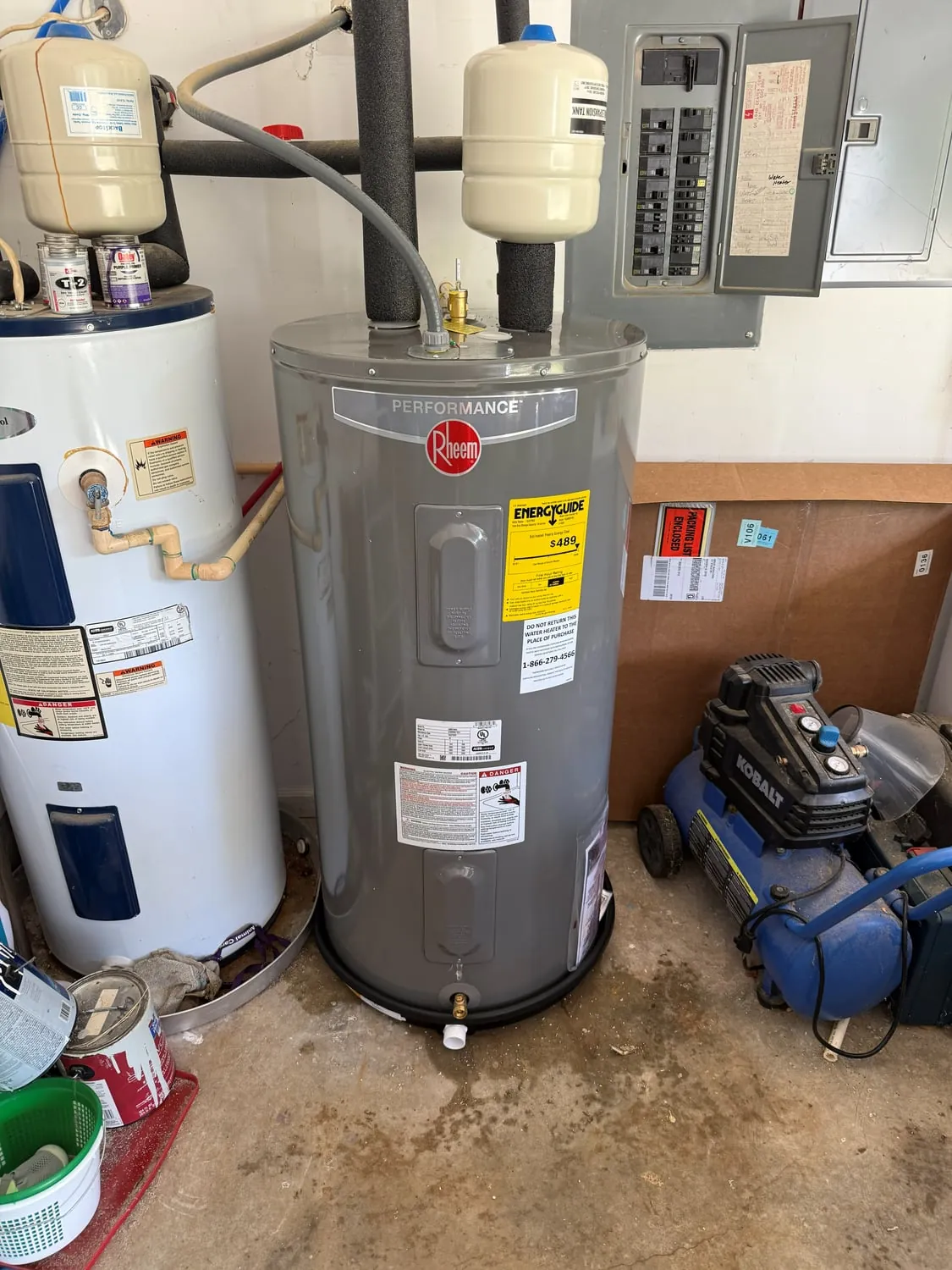
We often find that a new home’s water heater is still at its factory setting, which can be as high as 140°F. That’s hotter than you need, and it brings two main issues: safety and energy cost.
The biggest reason for the 120°F recommendation is to prevent scalding. Water at 140°F can cause a serious burn in less than five seconds, and the risk is highest for young children and older adults. At 127°F, that same burn takes much longer to happen.
A lower temperature also saves energy, and water heating is the second-largest energy expense in most homes, right after heating and cooling, at about 18% of your home’s energy use.
The tank loses heat just sitting there, which we call standby heat loss. The hotter you keep the water, the more energy it wastes just to maintain that temperature.
A quick guide to water heater temperature settings
The letters or notches on your heater’s dial don’t necessarily line up perfectly with degrees, but here’s a general idea of what these settings mean for your home.
| Temperature | What it means |
|---|---|
| 120°F | The recommended setting for most households. A good balance of energy efficiency and safety. |
| 130°F | Above the recommended setting, so more scald risk. |
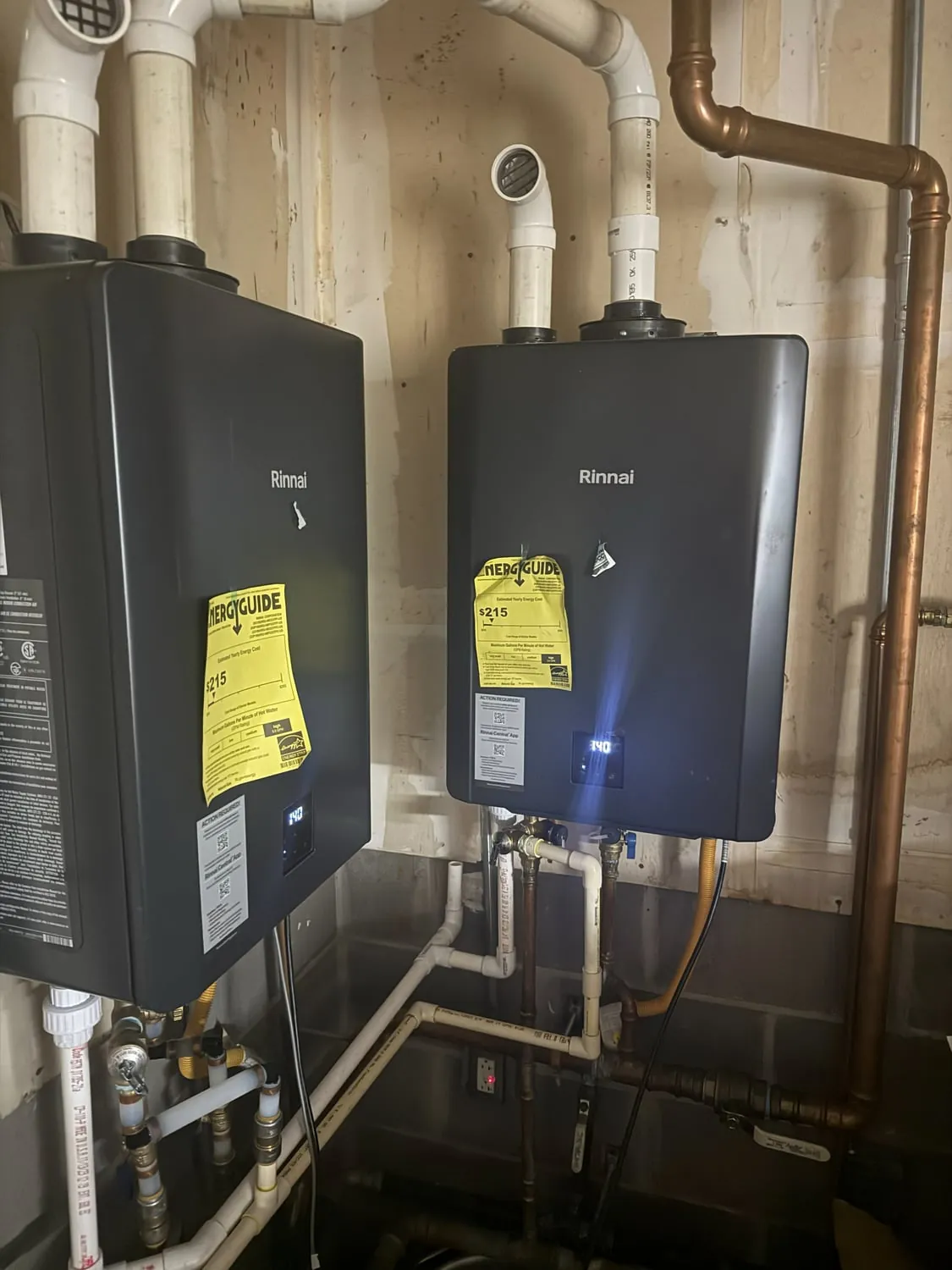
| 140°F | The factory default for many heaters. Can burn skin in under 5 seconds. |
| 150°F+ | Hotter than the factory setting. Even more scald risk. |
If you’ve turned your heater up past 120°F and have kids or older family members at home, I’d suggest turning it back down or giving us a call to talk about a mixing valve.
When is 120°F not the right temperature?
Someone has probably told you to keep your water heater hot to kill bacteria. But is it really a problem? The concern is Legionella, a type of bacteria that can grow in lukewarm water.
For homes with older adults or anyone with a weakened immune system, it’s something to take seriously. The CDC’s guidance is to store hot water at 140°F or higher to control Legionella growth, and not to let hot water in the pipes fall below 120°F.
So how do you get bacterial protection without the scalding risk?
You don’t have to choose. We can set the tank to store water at 140°F and install a thermostatic mixing valve (sometimes called a tempering valve) on the heater’s outlet.
This device automatically mixes in a little cold water so that the water delivered to your sinks and showers is about 120°F.
You get protection from bacteria in the tank and protection from burns at the tap.
It’s a true win-win.
If your home is on one of Huntsville’s well-served water sources, that hard water is one more reason not to run the tank hotter than you need to without a plan. Huntsville Utilities says its well water tends to drop calcium when it’s heated.
How to check and change your water heater setting
Start by finding the temperature dial on the heater. It could show actual temperatures, or it could have letters like A, B, and C, or words like “Hot” and “Vacation.”
These letters aren’t standardized, so you’ll need to check the label on the heater or the owner’s manual to translate them into degrees.
Turning the temperature down to 120°F is something you can easily do yourself.
If your water is suddenly much hotter or colder than the dial says, or the heater won’t seem to hold a consistent temperature, that points to a problem with the thermostat or another component.
And if you want to set your tank hotter for safety and add a mixing valve, that’s a job for a licensed plumber. If you need help with any of that, give ABD Plumbing a call and we can take a look at your system. You can book a water heater repair with us.
3 common mistakes to avoid
- Thinking hotter is safer. It isn’t. Hotter water burns faster, and kids and older adults are the most at risk.
- Thinking lower is always better. Dropping the temperature well below 120°F to save a little more energy isn’t a good trade-off. It can create an environment where bacteria can survive and grow inside your tank.
- Assuming the dial letters are universal. The “A” or “B” setting on your neighbor’s water heater could be a completely different temperature than the same letter on yours. Always check the manual.
If you’re in Decatur, Madison, or Huntsville and are thinking about a new water heater, we can make sure it’s set up correctly and safely from day one. Give us a call at ABD Plumbing, and we’ll help you get the right water heater installation for your home.